


Temple Run 2: Endless Escape
4.1372.50K Reviews
App Specs
- Version
- 1.133.0
- Updated On
- License
- Free
- Downloads
- 1,000,000,000+
- Developer
- Imangi Studios
- Categories
- Action
- Platform
- Android, iOS
Screenshots
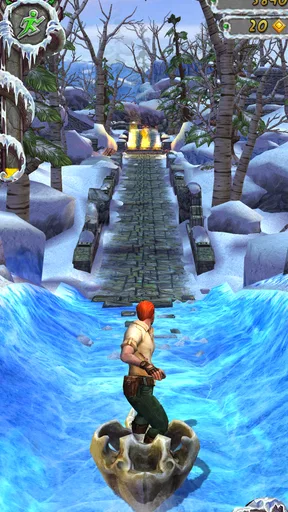
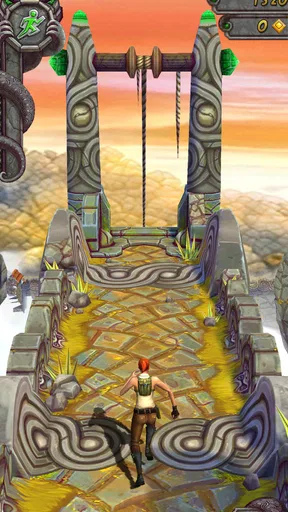
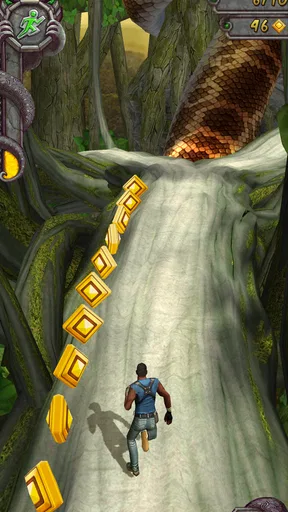
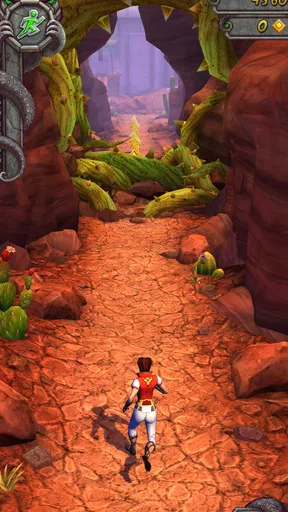
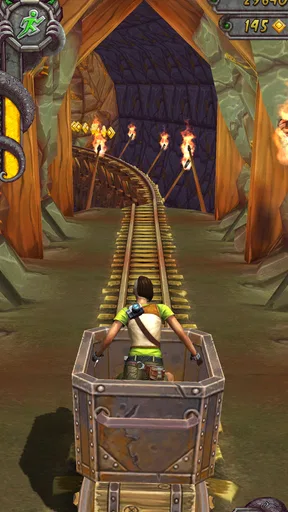
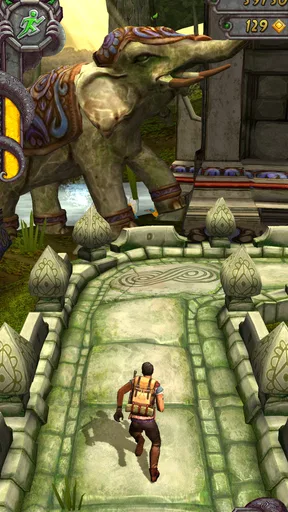
 Analysis by AppCompare
I see Temple Run 2: Endless Escape as a strong pick-up-and-play action game: it is easy to understand in seconds, but the pace gives you a reason to keep trying after a run ends. Its appeal is less about a long story or a carefully planned campaign and more about the small satisfaction of reacting well, collecting what you can, and getting a little farther. That makes it especially handy when I want a quick game rather than a commitment.
A good fit for short breaks
The endless-runner format suits the gaps that appear in an ordinary day: waiting for an appointment, taking a short break, or winding down for a few minutes. You can begin a run without needing to remember a plot or prepare a team, and a mistake brings that attempt to a clear stop. I find that simple loop useful when I want an immediate distraction, though it is not ideal if I need a game that can be paused and resumed as a substantial narrative session.
For example, on a commute where I have only a few minutes, I can focus on one run and put the game away afterward. The trade-off is that the quick restart can make “one more try” tempting, so I would treat it as a small break rather than a reliable way to fill a long journey. Its best everyday use is a spare moment when I can pay attention to the screen, not a situation where I need to keep looking up or divide my focus.
Guides and Analysis on Temple Run 2: Endless Escape
What the controls ask of you
The familiar swipe-and-tilt style is approachable, but it rewards deliberate inputs. A useful habit is to avoid swiping early just because an obstacle is coming into view: at higher speed, a premature move can put you in the wrong lane or send you into a jump you did not need. I get better results by reading the path ahead, then making one clear movement at a time instead of reacting with several hurried gestures.
That distinction matters because the game’s challenge is not simply about having quick fingers. It is also about noticing what kind of obstacle is coming and leaving enough room to respond. If touch controls are uncomfortable for you, or if you prefer a slower game where every move can be reconsidered, this can feel demanding rather than relaxing. The accessible start does not mean every later run will feel forgiving.
How it compares with other runners
Compared with puzzle games or action titles built around levels, this is a more immediate, repeatable kind of play. There is no need to study a complex system before a first attempt, and the chase gives each run a clear purpose. Against other endless runners, its recognizable temple setting and varied routes give it a distinct identity, while the basic appeal remains familiar: avoid hazards, gather rewards, and see how long you can last.
That familiarity is both a strength and a limit. If you enjoy improving through repetition, the format makes it easy to spot a mistake and try again. If you want carefully authored stages, a deep character story, or a different objective from score-chasing, a level-based platformer or a narrative action game may suit you better. I would choose this one for quick reflex challenges, not for a sense of progression that depends on reaching a final chapter.
Worth Reading Before You Choose

Basketball Stars: Multiplayer Is Fast, but Can It Recover When Matches Go Wrong?

WEBTOON Turns Phone Updates Into a Better Reading Routine

Link to Windows Runs on Shared Habits, Not Social Feeds

How Alibaba.com Dominates the B2B Marketplace

Metro's Quiet Rise: Redefining Mobile Communication

Harnessing Ecosystem Power with Phone Tracker by Number
Who will enjoy the chase
I would recommend it to players who like responsive obstacle-dodging, short sessions, and a clear personal target to beat. It also works for someone new to mobile action games because the basic idea is easy to grasp. The challenge grows as a run continues, however, so younger or less experienced players may enjoy the early attempts more than the faster stretches. Its Everyone 10+ age guidance is a useful prompt for families to consider whether that pace and intensity suit the player.
On the other hand, I would skip it if repeated runs feel like busywork, if you dislike games that become more demanding as you survive, or if you want a calm experience with little pressure. It is also not my first choice when I want to play for a long time without repeating the same core loop. Knowing that distinction makes the recommendation clearer: it is a focused runner, not an all-purpose mobile game.
The Thrill of the Chase
Jumping into Temple Run 2 is like diving headfirst into an adrenaline-fueled adventure. The game kicks off with your character sprinting away from a monstrous demonic monkey after snatching a mystical idol. It’s a frantic escape where you'll find yourself dodging, jumping, and sliding through a series of obstacles. The controls are intuitive, making it easy for anyone to pick up and play, yet challenging enough to keep you engaged.
Eye-Catching Visuals and Sound
The first thing you'll notice about Temple Run 2 is its stunning graphics. The environments are beautifully rendered, ranging from lush jungles to perilous cliffs. Each new area introduces fresh challenges and visual delights, keeping the game from becoming monotonous. Complementing the visuals is a dynamic soundtrack that ramps up the excitement and immerses you deeper into the escapade.
The shifting scenery is more than decoration: it gives me visual variety during a format built around repeating runs. Still, it does not turn the game into a set of separate levels with a final destination. I see the scenery as a welcome change of pace, while the moment-to-moment task remains reading the route and avoiding what is in front of me. Players who need substantial changes to the underlying objective may eventually want a different kind of game.
Features That Keep You Hooked
One of the game’s standout features is its variety of power-ups and abilities. As you dash through the course, you can collect coins to unlock new characters and upgrade abilities. This adds a strategic layer to the game, as you decide whether to invest in a magnet to attract more coins or a shield to protect yourself from obstacles. The game also introduces new characters with unique abilities, offering a fresh take on gameplay every time you switch things up.
A practical way to approach those choices is to think about what tends to end your runs. If collisions are the main problem, a defensive upgrade may feel more useful than an option aimed at collecting extra coins; if you already avoid hazards reliably, improving your collection can help make runs feel more rewarding. I would avoid spending coins just because an upgrade is available. A small, deliberate choice based on your own weak point is more satisfying than spreading resources across options you rarely notice.
Characters and upgrades also give repeat play a modest goal beyond beating a previous distance. They do not remove the need to learn the route, so I would treat them as support for your preferred style rather than a shortcut to effortless runs. That is a useful distinction for anyone wondering whether progression makes the game easier: it can shape a run, but attention and timing remain central.
Temple Run 2 also boasts a global leaderboard, letting you compete with friends or players worldwide. This feature adds a competitive edge to the game, motivating you to push harder and run further each time you play. Achieving a high score brings not just personal satisfaction, but bragging rights among your peers.
I find a personal best more useful as a measure of progress than as a reason to chase every leaderboard position. A score can show that I handled a section better or stayed composed for longer, while comparison with other players may depend on how much time they spend repeating runs. If competition motivates you, the leaderboard gives you a reason to return; if it makes a casual game feel like an obligation, you can simply focus on your own improvement.
Challenges and Obstacles
While the thrill of the chase is a huge draw, it’s the obstacles that really test your reflexes. As you progress, the game throws more complex challenges your way, requiring quick reflexes and strategic thinking. From zip lines and mine carts to waterfalls and fire-breathing dragons, the variety of obstacles keeps each run feeling fresh and unpredictable.
When a run ends, it helps to remember the obstacle that caught you rather than dismissing the whole attempt as bad luck. I try to notice whether I misread a turn, moved too soon, or simply reacted late; that quick mental review gives the next run a purpose. The game’s pace can make this harder than it sounds, but paying attention to one recurring mistake is more useful than trying to fix everything at once.
There is also a practical reason to play when you can give the screen your attention. The obstacles demand timely reactions, so this is not a good choice while walking through a crowded area, crossing a street, or doing anything else that needs your eyes. The controls may be simple, but the game is still designed around sustained visual focus, especially when the pace increases.
Some players might find the increasing difficulty curve a bit daunting, especially as the game speeds up and the obstacles come thick and fast. However, this also means there’s always room for improvement, which keeps many players coming back for more. It’s all about finding that sweet spot between challenge and capability.
In-Game Purchases and Monetization
Like many mobile games, Temple Run 2 features in-game purchases. While these can enhance your gaming experience by unlocking characters and power-ups more quickly, they are by no means essential. The game does a commendable job of providing enough free content to keep you entertained without ever feeling pressured to spend money.
The game is free to play, with in-app purchases ranging from 99 cents to $49.99 per item. I would decide in advance whether I am comfortable spending anything, then treat optional purchases as a convenience rather than a requirement. If you are installing it for a child, it is worth discussing purchases and checking the device’s purchase controls beforehand; the age guidance alone does not answer how your household wants to handle spending.
For someone asking whether it is enjoyable without paying, my view is yes: the core appeal is the run itself, and the game offers ways to earn and use coins through play. Paying may speed up access to some content, but it does not replace the timing skills that make a long run possible. That keeps the free option meaningful, though players who strongly dislike in-app offers may still prefer a paid game with a different business model.
The balance between free and paid content is well-maintained, ensuring that players can enjoy the game without feeling like they’re missing out if they choose not to make purchases. This aspect makes Temple Run 2 accessible to a wide audience, from casual gamers to more dedicated enthusiasts.
Availability and performance expectations
Imangi Studios released the game on January 23, 2013, and its current version is 1.131.0. It is available for devices running Android 6.0 or later. Its long-running presence helps explain why it feels like a familiar reference point for mobile runners, but the age of the original release should not be mistaken for a campaign with a conventional ending: the attraction is the repeatable run and the goals you set for yourself.
It has a 4.1 average from around 9.9 million ratings, with roughly 374,000 written reviews and over 1 billion installs. Those figures suggest that it has reached a very broad audience, but they do not guarantee that every player will enjoy its quick restarts or escalating pressure. I would use them as context, then make the decision based on whether the endless-runner loop sounds fun to you.
Because a run relies on quick visual reactions, a comfortable screen and responsive touch input matter more here than they would in a turn-based game. If the controls seem inconsistent on your device, try making clean, unhurried swipes and check whether a screen protector or grip is affecting your touch. I would not assume that a higher score comes only from faster reactions; a steady hand and a clear view of the route can matter just as much.
Final Thoughts
Temple Run 2: Endless Escape is more than just a game; it’s a thrilling experience that keeps you on the edge of your seat. With its captivating graphics, engaging gameplay, and myriad of features, it’s easy to see why it remains a staple in the endless runner genre. Whether you’re a seasoned pro or a newbie to the world of mobile gaming, Temple Run 2 offers something for everyone.
For me, its strongest quality is how quickly it turns a spare moment into a focused little challenge, while its main drawback is the repetition and pressure that come with a run growing faster over time. Imangi Studios has built an enduring action game around a simple premise, and its 1 billion-plus installs reflect how widely that premise has travelled. I would recommend it to anyone who enjoys improving through short attempts; I would point players seeking slower, story-led play toward another genre instead.
So, if you’re looking for a game that combines excitement, challenge, and a touch of nostalgia, Temple Run 2: Endless Escape is definitely worth a download. Just make sure you’re ready to run, because once you start, there’s no looking back!
Pros
- Stunning graphics enhance gameplay.
- Smooth controls make navigation easy.
- Variety of characters to unlock.
- Engaging sound effects boost immersion.
- Frequent updates add new features.
Cons
- In-app purchases can be pricey.
- Repetitive gameplay may bore some.
- Ads can interrupt gaming experience.
- Requires constant internet connection.
- Battery consumption is quite high.
FAQs for Temple Run 2: Endless Escape
What is the main objective of Temple Run 2: Endless Escape?
Temple Run 2: Endless Escape aims to provide players with an exhilarating endless running experience. The main objective is to navigate through a series of obstacles while collecting coins and power-ups. Players must avoid pitfalls, dodge traps, and outrun the demonic monkey that is constantly on their tail.
How do I control the character in Temple Run 2?
In Temple Run 2, players control the character using simple swipe gestures. Swiping left or right allows the character to change lanes, while swiping up makes the character jump over obstacles. Swiping down enables the character to slide under barriers. Tilt controls are used to collect coins along the path.
Are there different characters available to play in Temple Run 2?
Yes, Temple Run 2 offers a variety of characters that players can unlock and play as. Each character comes with unique abilities or bonuses. New characters can be unlocked by spending coins or gems collected during gameplay, providing an additional layer of strategy and engagement.
Does Temple Run 2 have in-app purchases?
Temple Run 2 features in-app purchases that allow players to buy additional coins, gems, and power-ups. These can enhance the gameplay experience by unlocking new characters or special abilities more quickly. However, the game can still be enjoyed fully without spending real money.
Is Temple Run 2 suitable for all ages?
Temple Run 2 is designed to be family-friendly and is suitable for players of most ages. Its intuitive controls and engaging gameplay make it accessible to children, while the increasing difficulty levels and challenges offer a fun experience for older players as well. Parental guidance is recommended for younger children due to in-app purchases.


